NOVAFIT ENERGY · Performance · Nutrition · Science
A physiological account of progressive deterioration — and of how every nutritional decision can either accelerate or delay that process.
Kilometer 60 of an ultra-trail does not look like kilometer 60 of a marathon. It is not a question of distance. It is a question of accumulated physiological state.
At that point in the effort, the athlete's body is a different system from the one that started in the morning. The reserves have dropped. The tissues have accumulated damage. The intestinal barrier is under stress. The nervous system begins to receive alarm signals from several fronts at once. And nutrition — which in the first hours was almost a formality — becomes the factor that can make the biggest difference.
This is what happens, system by system, and how an honest formulation responds to each of those processes.
The energy system: glycogen depleted, fat insufficient, maximum pressure on intake
Muscle and liver glycogen reserves — around 400-500 g in a well-trained athlete — last approximately 90 minutes at moderate-to-high intensity. In a 60-kilometer ultra-trail, you have been depending exclusively on external intake to maintain glucose supply for hours.
Fat oxidation can compensate for part of that deficit, but it has a functional limit: the brain cannot oxidize fatty acids directly, and exercise intensity in most ultras is too high to rely on fats alone. The result is an increasing dependence on exogenous carbohydrates — precisely at the moment when the digestive system has the least capacity to process them.
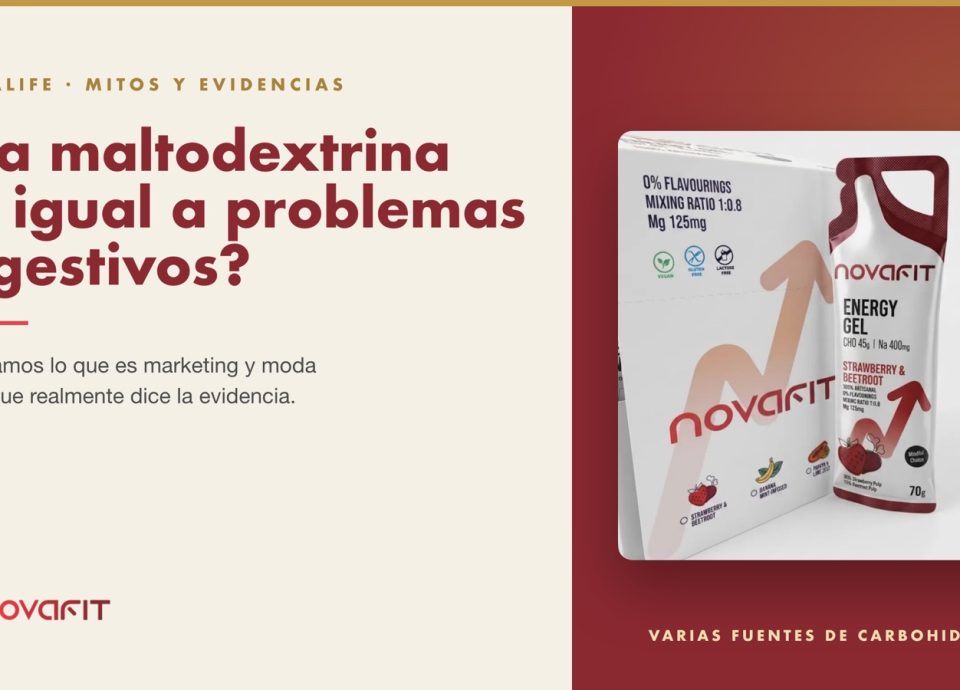
This is where the 1:0.8 glucose:fructose ratio reaches its maximum relevance. The two intestinal transporters — SGLT-1 for glucose, GLUT-5 for fructose — work in parallel and allow absorption of up to 90 g of carbohydrate per hour without saturating the system. At kilometer 60, with an already compromised gut, that efficiency is not a technical detail: it is the difference between holding pace and starting to walk.
The electrolyte system: accumulated losses the body can no longer ignore
In the first two hours, a loss of 300 mg of sodium per hour is manageable. The body has reserves. But at kilometer 60, after six, eight or ten hours of sweating, the accumulated deficit can exceed 3,000-4,000 mg of sodium. At that point, hyponatremia — low blood sodium — starts to become a real risk.
The initial symptoms are deceptive: general fatigue, mild confusion, a feeling of heaviness the athlete attributes to accumulated tiredness. But what is happening is a disturbance of osmolality that directly affects neuromuscular transmission, muscle contraction and cognitive function.
With 400 mg of sodium as sodium citrate per gel, NovaFit Energy is designed to cover that replenishment in a real, not symbolic, way. Sodium citrate has higher bioavailability than common salt during effort, which means every milligram arrives when and where it needs to.
Magnesium tells the same story, amplified. At kilometer 60, accumulated sweat losses — between 4 and 8 mg per liter — have left the muscle with critically low reserves. The contraction-relaxation cycle starts to fail. Cramps are not the problem: they are the symptom of a metabolic problem that has been building for hours. Magnesium bisglycinate, with its amino-acid pathway absorption independent of gastric pH, reaches the muscle even when the digestive system is barely working normally anymore.
The intestinal barrier: the organ nobody looks at until it fails
During intense exercise, blood flow is redistributed toward the active muscles. The digestive system receives between 20 and 40% less perfusion than normal. In short efforts, the intestine tolerates that transient ischemia without major consequences.
But at kilometer 60, after hours of intestinal hypoperfusion, the epithelial barrier begins to lose integrity. The tight junctions between enterocytes — the cells of the small intestine — weaken. The phenomenon known as exercise-induced "leaky gut" is not a metaphor: it is the literal permeabilization of the intestinal wall under prolonged physiological stress.
The consequences are twofold. First: nutrient absorption becomes erratic — the gel you take may not absorb with the expected efficiency. Second: elements of the intestinal content can pass into the circulation and trigger a systemic inflammatory response that accelerates fatigue.
The real fruit pulp we use in NovaFit Energy has a concrete physiological advantage here. The intestine has been processing whole fruit for millennia: its natural matrix — fibers, enzymes, structural water — supports digestive work even under stress. Artificial additives, synthetic thickeners and chemical flavors are substances the intestine does not always handle well under normal conditions. At kilometer 60, with the barrier already compromised, they can be the trigger for that digestive rejection that forces many athletes to stop.
Sensory fatigue: when the body rejects what it needs
There is a protective mechanism the body activates in very prolonged efforts that most sports nutrition guides do not mention: sensory fatigue toward artificial sweet flavors.
After hours of ingesting the same synthetic flavors — sweet, intense, chemically uniform — the brain begins to generate a progressive rejection response. It is not mental weakness. It is a real adaptive response: the central nervous system reduces the motivation to ingest substances it already associates with accumulated digestive discomfort.
Real fruit has a radically different sensory profile: clean, fresh, recognizable, not cloying. The brain processes it as food — because it is food. That difference, which seems irrelevant at kilometer 5, becomes decisive at kilometer 60, when the athlete needs to force themselves to eat something their body is actively rejecting.
The banana gel infused with mint we formulate is not a flavor whim. Mint has documented effects on reducing subjective perception of effort and on stimulating intake in moments of intense sensory fatigue. Banana provides a naturally balanced carbohydrate profile. Together, they produce something the body wants to take at kilometer 60, not just something it can tolerate.
Central fatigue: the brain runs out too
The last system to deteriorate — and the most decisive in ultras — is the central nervous system. Central fatigue is not just tiredness. It is an active reduction of the motor signal the brain sends to the muscles, mediated in part by changes in brain chemistry.
One of the most studied mechanisms is the role of tryptophan. During prolonged exercise, the level of free tryptophan in the blood rises, and tryptophan crosses the blood-brain barrier and is converted into serotonin. An excess of brain serotonin contributes to the feeling of fatigue, drowsiness and loss of motivation that many ultra-runners know well in the second half of a race.
Branched-chain amino acids — leucine, isoleucine and valine — compete with tryptophan for the same transporter at the blood-brain barrier. When their levels are adequate, they reduce the entry of tryptophan into the brain and, with it, the accumulation of serotonin. That mechanism does not eliminate fatigue, but it delays its onset and moderates its intensity — precisely when the athlete needs it most.
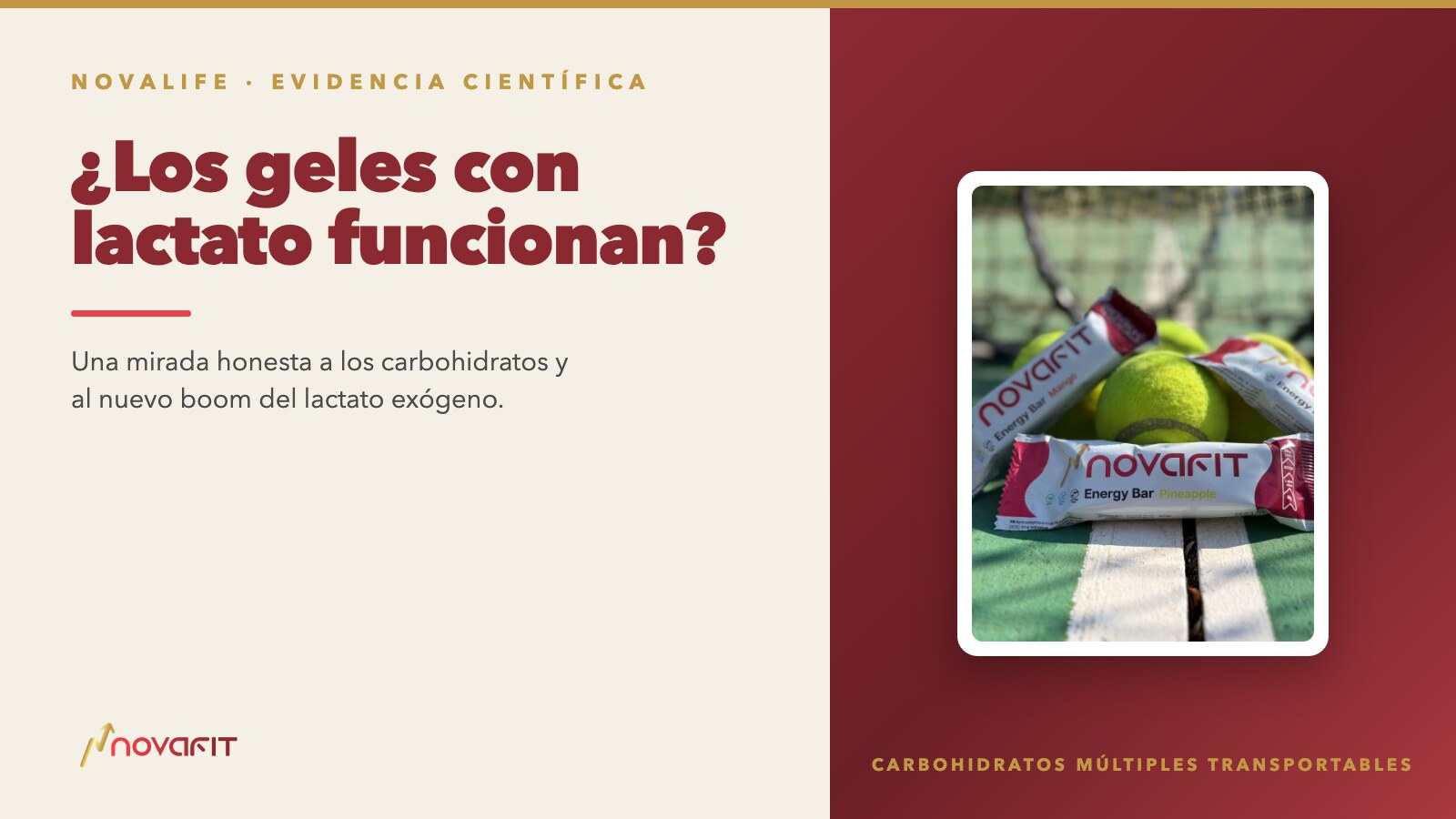
That is why NovaFit Energy bars incorporate BCAAs and L-glutamine in their formulation — 188 mg and 68 mg respectively per bar. L-glutamine adds an additional layer of protection: it is the preferred fuel of enterocytes and lymphocytes, contributing simultaneously to maintaining the integrity of the intestinal barrier and to supporting the immune response, which prolonged exercise significantly compromises.
In a complete ultra nutrition strategy, combining NovaFit Energy bars — with their BCAA and glutamine content — with the gels in the most intense sections, lets you cover both the immediate energy needs and the neuromuscular and intestinal protection that kilometer 60 demands.
Kilometer 60 of an ultra is not won by whoever has trained the most. It is won by whoever has best prepared every system of the body to keep functioning when they all start failing at the same time.
Some people reach kilometer 60 praying. Some reach it having eaten well. You decide.
NovaFit Energy — novafitenergy.com — @novafitenergy
Sant Feliu de Llobregat, Barcelona · Artisans of performance for twelve years